Creatine and sport: why it is the No. 1 performance supplement
Strength training, CrossFit, sprinting, team sports: creatine is the most researched food supplement in the world. Here is what it really does, how much to take and how to choose it.
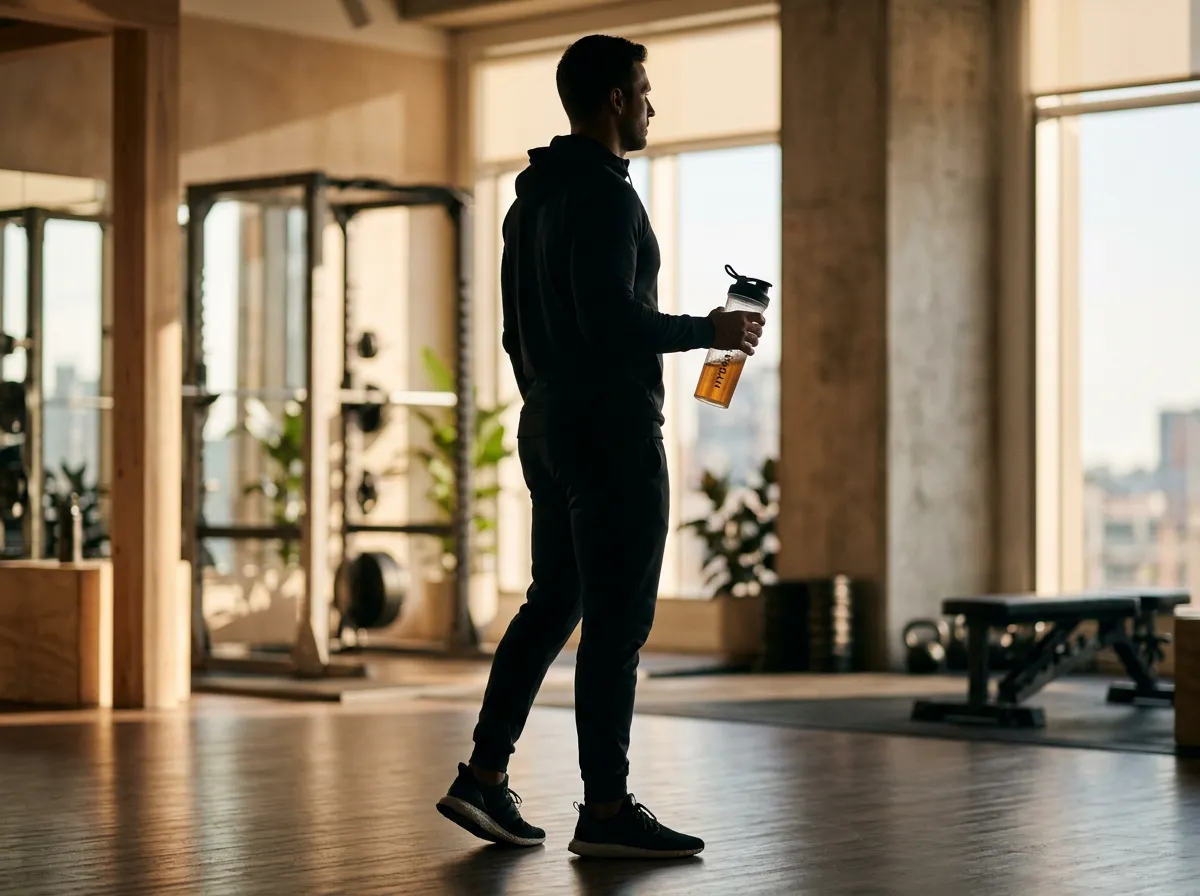
- Creatine is a molecule naturally produced by the body and stored in the muscles, where it rapidly recharges energy (ATP).
- In Europe, a health claim is authorised: creatine increases physical performance in successive bursts of short-term, high intensity exercise, with a daily intake of 3 g.
- The reference form is creatine monohydrate, ideally micronised for better dissolution.
- No need for “cycles”: a regular daily intake is all it takes.
- Irati Production manufactures creatine powders, sticks, capsules and gummies in France, for your brand.
What is creatine?
Creatine is a compound the body makes from three amino acids (arginine, glycine and methionine). It is also found in meat and fish. Around 95% of the body’s creatine is stored in skeletal muscle, in the form of phosphocreatine.
Its role is simple: during explosive effort, muscles burn through their ATP, the cell’s “energy currency”, very quickly. Phosphocreatine regenerates it within seconds. The fuller the stores, the more often the muscle can repeat intense efforts.
What EU regulation says
Unlike many trendy ingredients, creatine benefits from health claims officially authorised by the European Commission following assessment by EFSA:
- Performance: creatine increases physical performance in successive bursts of short-term, high intensity exercise. The beneficial effect is obtained with a daily intake of 3 g of creatine (Regulation (EU) 432/2012).
- Adults over the age of 55: daily creatine consumption can enhance the effect of resistance training on muscle strength. The effect is obtained with a daily intake of 3 g combined with resistance training at least three times per week (Regulation (EU) 2017/672).
For a brand, this is a very powerful marketing asset: few ingredients allow you to communicate so clearly while remaining fully compliant.
Which sports benefit most from creatine?
Creatine is particularly relevant in disciplines that involve repeated short, intense efforts:
- strength training, powerlifting, weightlifting;
- CrossFit, HIIT, functional fitness;
- sprinting, jumping, throwing;
- team sports: football, rugby, basketball, handball;
- combat and racket sports.
In pure endurance sports, its value lies mainly in acceleration phases, climbs and final sprints, and in the quality of strength sessions.
How much should you take, and when?
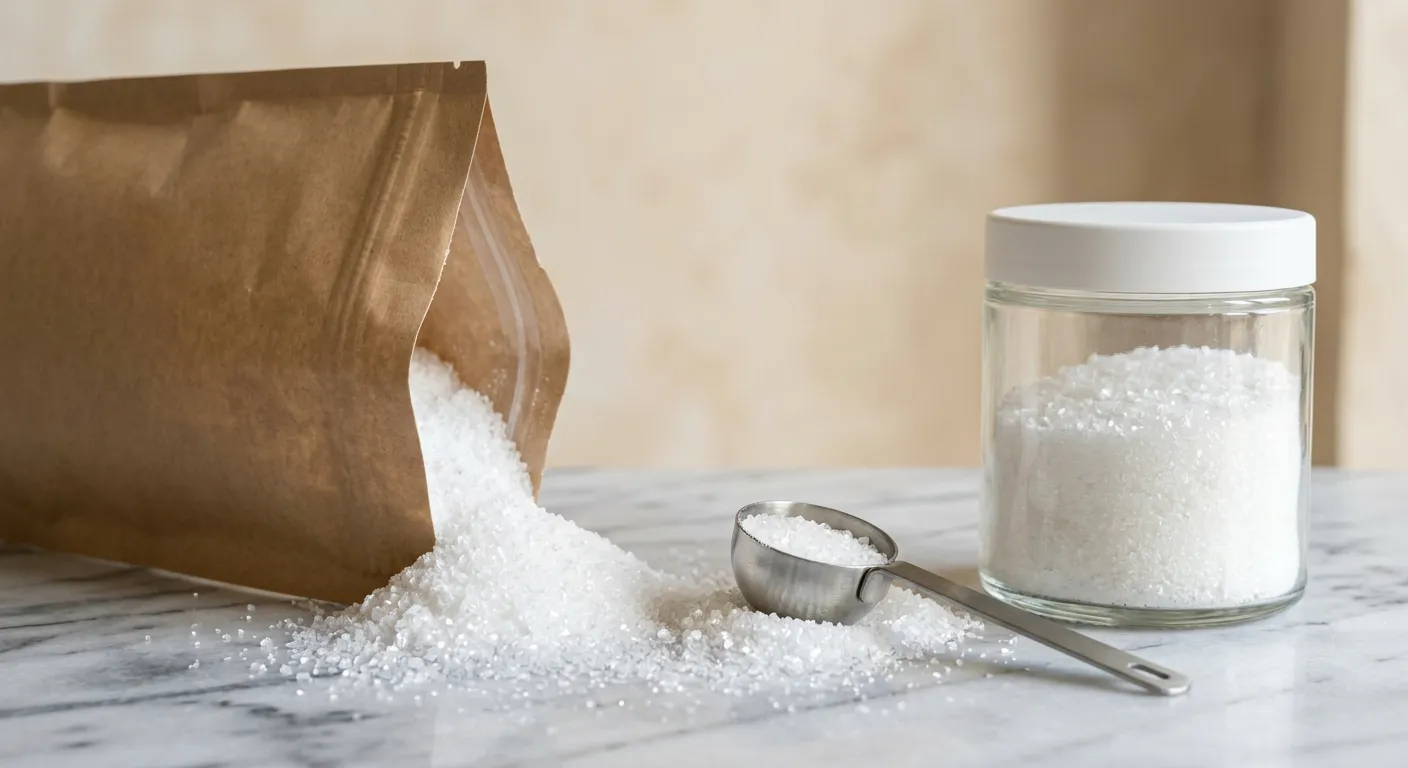
The reference dose in Europe is 3 g per day, i.e. one level scoop or one stick. Timing matters little: what counts is consistency, because it is the gradual saturation of muscle stores that makes the difference. Many athletes take it after training or at breakfast, in water, juice or a protein shake.
For everything you need to know about doses by format, read our guide Creatine: how much per day?.
Monohydrate, micronised, Creapure®: how to choose?
- Creatine monohydrate: the form on which virtually all studies and the EU health claims are based.
- Micronised: finer particles that dissolve better and avoid the “sandy” residue at the bottom of the glass.
- Certified raw materials: some German or European creatines offer enhanced traceability and quality control, a genuine premium selling point.
- Anti-doping certification: for athletes subject to testing, a product tested to the EN 17444 standard provides reassurance.
Powder, capsules or gummies?
Powder remains the most cost-effective format. Capsules are convenient but several units are needed to reach 3 g. Creatine gummies are the rising format: enjoyable and easy to carry, they appeal to a much wider audience than gym-goers. Manufacturing them is technically demanding, as the creatine must remain stable over time.
Launch your creatine with Irati Production
Creatine is one of the most dynamic markets in sports nutrition. We manufacture it for your brand at our factory in Saumur, France.
- Powder in tubs or doypacks, 3 g sticks, capsules, creatine gummies
- Custom formulas: creatine + electrolytes, + B vitamins, + magnesium
- Small batches to test the market, then scale-up
- Compliant labelling and EFSA claims validated by our regulatory team
- ISO 22000-certified, FDA-registered site
Frequently asked questions
Does creatine make you gain weight?
Creatine can cause slight weight gain at the start of supplementation, due to water stored in the muscle, not fat.
Do you need a loading phase?
No. A regular intake of 3 g per day gradually fills muscle stores, with no loading phase.
Can you take creatine every day?
Yes. Creatine is taken daily and continuously, including on rest days, to maintain stores.
Is creatine permitted in food supplements in Europe?
Yes. Creatine monohydrate is used in food supplements in France and across Europe, with health claims authorised at 3 g per day.
Can Irati Production manufacture my private label creatine?
Yes. We manufacture creatine powders, sticks, capsules and gummies, from our standard formulas or an exclusive formula for your brand. Contact us for a quote.
This article is for information only and does not replace the advice of a healthcare professional. Food supplements should not be used as a substitute for a varied and balanced diet and a healthy lifestyle. Sources: Regulation (EU) No 432/2012; Commission Implementing Regulation (EU) 2017/672.