Your First Supplement Production Run: Testing a New Product With a Short Run
The first batch of a new supplement is a risky moment: too big, and it ties up inventory and cash; poorly prepared, and it delays the launch. Done right, it becomes a real market test. Here is how to prepare your first production run, what to watch once it is on sale and how to move on to the next run.
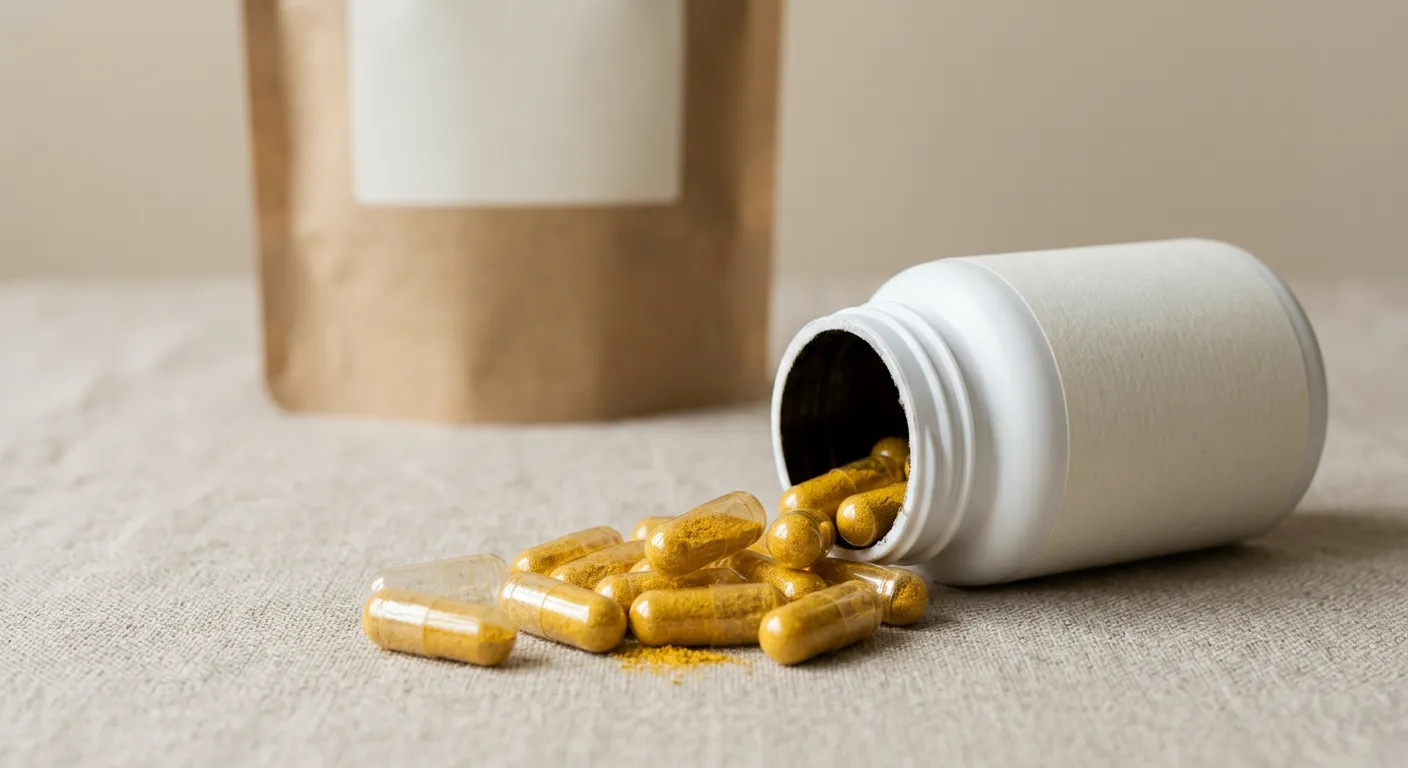
- A short first production run lets you test a product on the market without tying up large inventory.
- Short runs are easiest on a standard white label formula; for a custom formula, the minimum depends on development.
- Prepare the first batch carefully: locked formula, approved label, available materials, chosen packaging.
- Decide in advance which metrics to track: sell-through, repeat purchase, reviews, returns.
- Scale up on the same formula and at the same site, so the product stays identical.
Why start with a short run?
A new product is a hypothesis until it meets its customers. Do people like the taste? Is the format convenient? Is the price accepted? Do customers reorder? Producing a large volume upfront means betting on all of those answers at once. A short run lets you check them with limited risk, then adjust before scaling up.
This logic is not just for startups. An established brand launching a new SKU, a lab testing a new format or a distributor evaluating a new channel all benefit from starting the same way. Minimum quantities are covered on our small-batch manufacturing page; this article focuses on how to make that first batch a success.
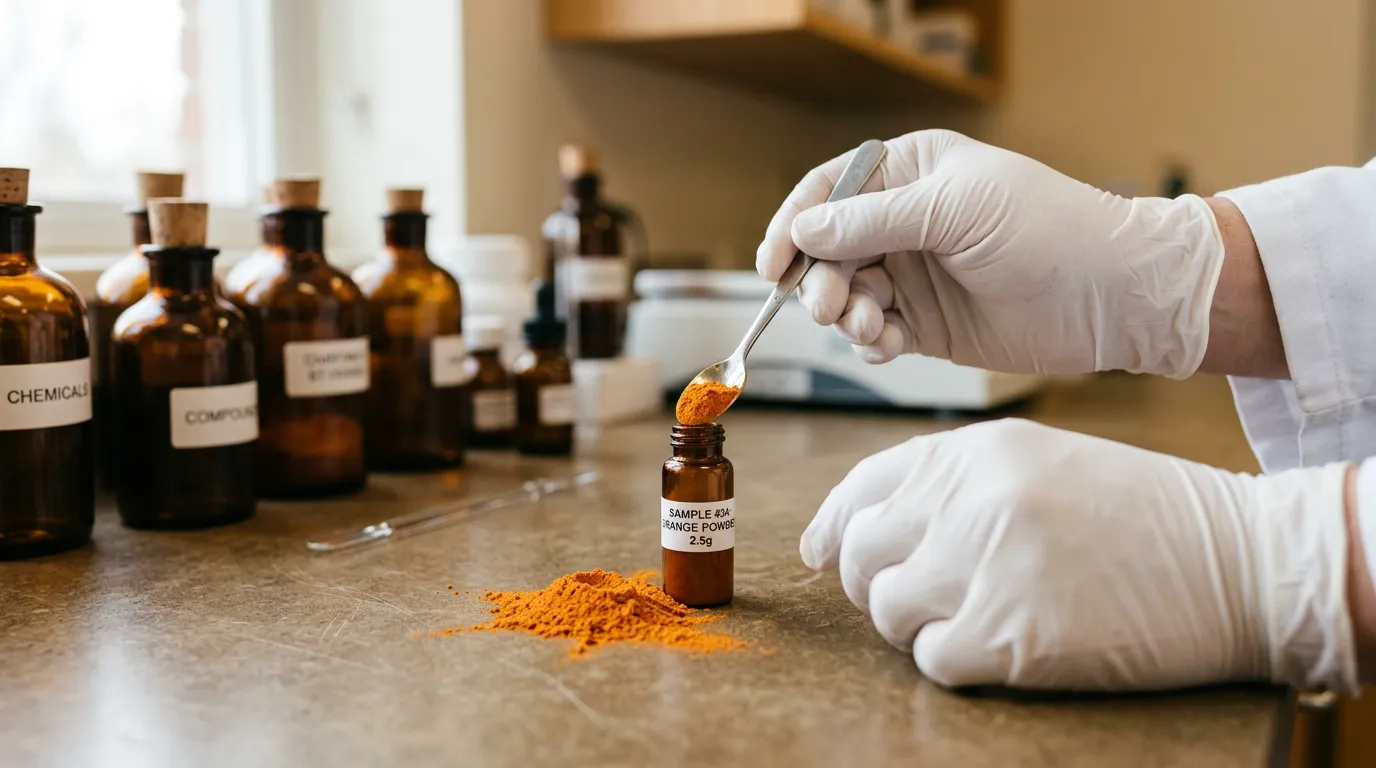
White label or custom: what changes for the first batch
First batch
Small batch possible · Minimum depends on development
Preparation
Formula choice, label, packaging · Formulation, trials, stability, then label
What you test
Market, price, channel · Market and the formula itself
At Irati Production, small batches are available only on our standard formulas. That is often the best way to test a market: the formula is already proven in production, so your test focuses on brand, price and channel.
Preparing the first batch: checklist
- A locked formula: any change once production is scheduled means redoing part of the work.
- An approved label: mandatory statements, authorized claims, ingredient list, daily portion, lot number and best-before date.
- Chosen packaging: jar, bottle, doypack, stick packs or box, with packaging components available.
- Pre-market notification where required, for example on the Compl'Alim platform in France.
- A distribution plan: where the product will be stored and how orders will ship.
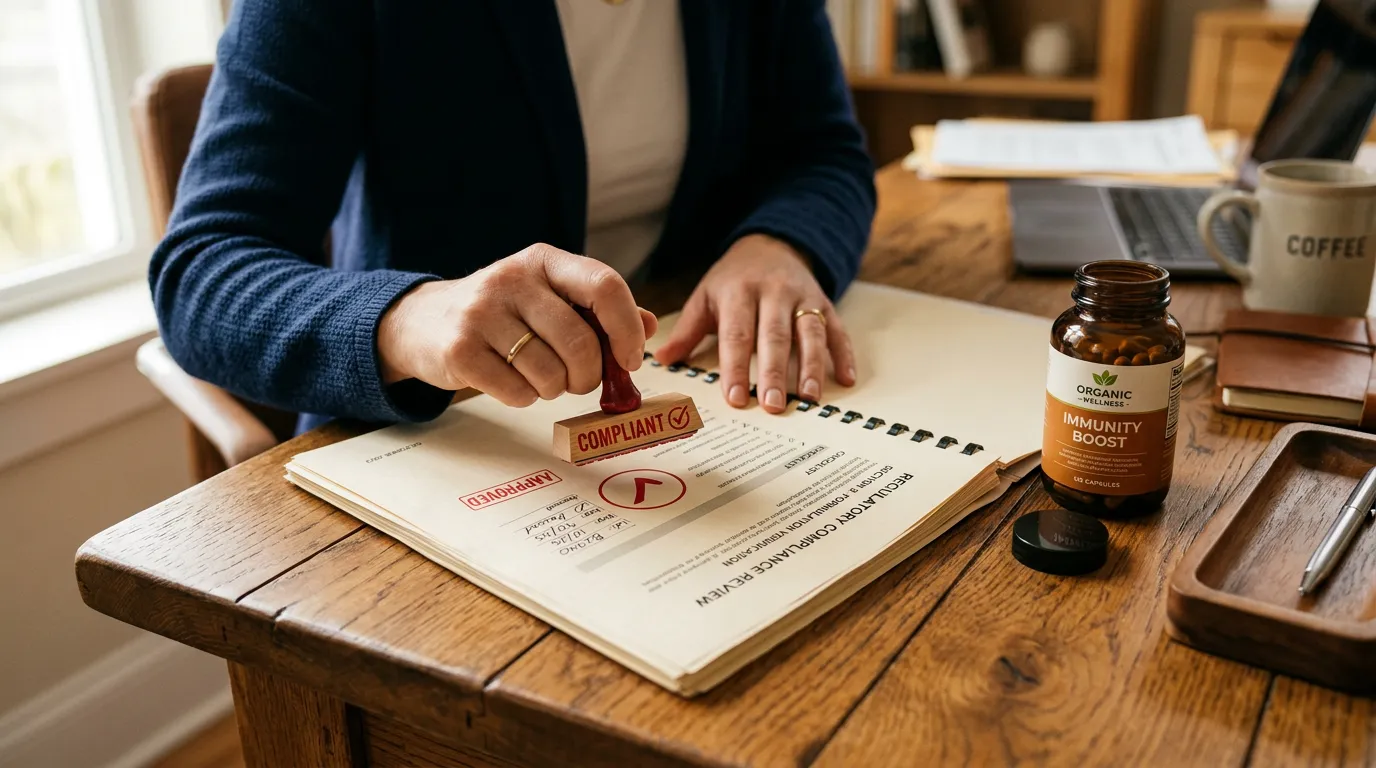
Our regulatory support team reviews the formula and label before manufacturing, so the first batch is ready to sell as soon as it is released.
How the first production run works
- Sourcing of raw materials and packaging, with certificates of analysis.
- Manufacturing: blending, forming (capsules, tablets, gummies, powder) and packaging.
- Testing: in-process checks, then release testing on the finished product.
- Batch release and delivery, with traceability documents.
Use the first batch to keep retained reference samples: they become the benchmark for every future run, for taste, color and potency alike.
What to measure during the test
A market test is only useful if you decide upfront what to look at, and how long you will look before drawing conclusions. The most useful metrics:
- Sell-through by channel (online store, retail, practitioners).
- Repeat purchase rate, often more telling than first sales for a supplement taken daily.
- Customer reviews on taste, capsule size and convenience.
- Returns and complaints, to review with your manufacturer.
- Real margin, including shipping and marketing costs.
First batch mistakes to avoid
- Producing too much out of fear of stock-outs: unsold inventory eventually nears its best-before date.
- Producing too little to learn anything: the test must reach enough customers, over enough time, to measure repeat purchase.
- Launching without a go-to-market plan: a test batch with no visibility only tests the absence of marketing.
- Changing the formula mid-test: you no longer know what was tested.
- Forgetting packaging components: jars, cartons and labels have their own minimums and lead times.
How many units for a first batch?
There is no universal number: the right quantity depends on your channel, your audience and the length of the test. A few benchmarks help. Estimate how many customers you can realistically reach during the test period, how many units each will buy if they reorder, and keep a buffer for samples, influencers and partnerships. Then check that the stock can sell through well before the product's best-before date. Your manufacturer can help you balance these constraints against its own production conditions.
It also helps to think about the test in stages. A first batch can serve a single channel, such as your online store, before you open retail or practitioner accounts. Each stage brings new data on price sensitivity and reorder behavior, and the next batch can be sized on real numbers rather than assumptions.
Adjust without starting over
Tests often reveal simple adjustments: a new flavor, a different count per jar, moving from capsules to a powder for a higher dose, adding stick packs for trial. Some changes keep the same formula; others need a new review. The sooner you spot them, the better your second run will be.
Scaling to the next run
When sales confirm demand, the question becomes scale. Ideally, the next run uses the same formula, the same raw materials and the same site: customers get exactly the product they liked, and you avoid a tech transfer. Share your forecasts with your manufacturer so it can plan sourcing.
Scaling is also the right moment to revisit the range. If the test showed demand for a higher dose, a different flavor or a travel format, you can add a second SKU alongside the original rather than changing the product your first customers already buy. Many brands grow this way: one proven product, then a family of formats and variants built around it, all made on the same site so quality stays consistent across the line.
Storing and shipping the first batch
For a test run, adding middlemen complicates everything. Irati Production can store your first batch at its Allonnes site, pick orders and, on request, ship directly to your end customers. We manufacture in Saumur, France, at an ISO 22000 and HACCP certified, FDA-registered site. See our storage and logistics offer.
Your first batch, without unnecessary risk
We help you prepare, manufacture and ship your first production run, then scale up.
- Small batches available on our standard white label formulas
- Formula and label reviewed before manufacturing
- Gummies, capsules, tablets, powders, drinks
- Same formula and same site for every following run
- Storage and direct shipping from Allonnes
Our answers on a first supplement production run
Why start with a small first production run?
To test the product on the market (taste, format, price, repeat purchase) without tying up large inventory, then adjust before scaling up.
Can I run a small batch on a custom formula?
It depends on development. At Irati Production, small batches are available on standard white label formulas; for a custom formula, the minimum depends on development.
What should I prepare before my first supplement batch?
A locked formula, a compliant label, chosen packaging, pre-market notification where required, and a storage and shipping plan.
Which metrics should I track after launching a new supplement?
Sell-through by channel, repeat purchase rate, customer reviews, returns and real margin after shipping and marketing costs.
How do I move from a first batch to larger production?
Run the next batch on the same formula, with the same raw materials and at the same site, and share your sales forecast with your manufacturer.
The information in this article is general. Each project undergoes a technical and regulatory feasibility study.