How to Launch a Supplement Product: From Formula to Finished Goods
A new brand, a new SKU in an existing line, or a lab expanding its catalog: launching a supplement product follows the same path from idea to shelf. Here is the full roadmap, the regulatory steps for the European market, and what your manufacturer can handle for you.
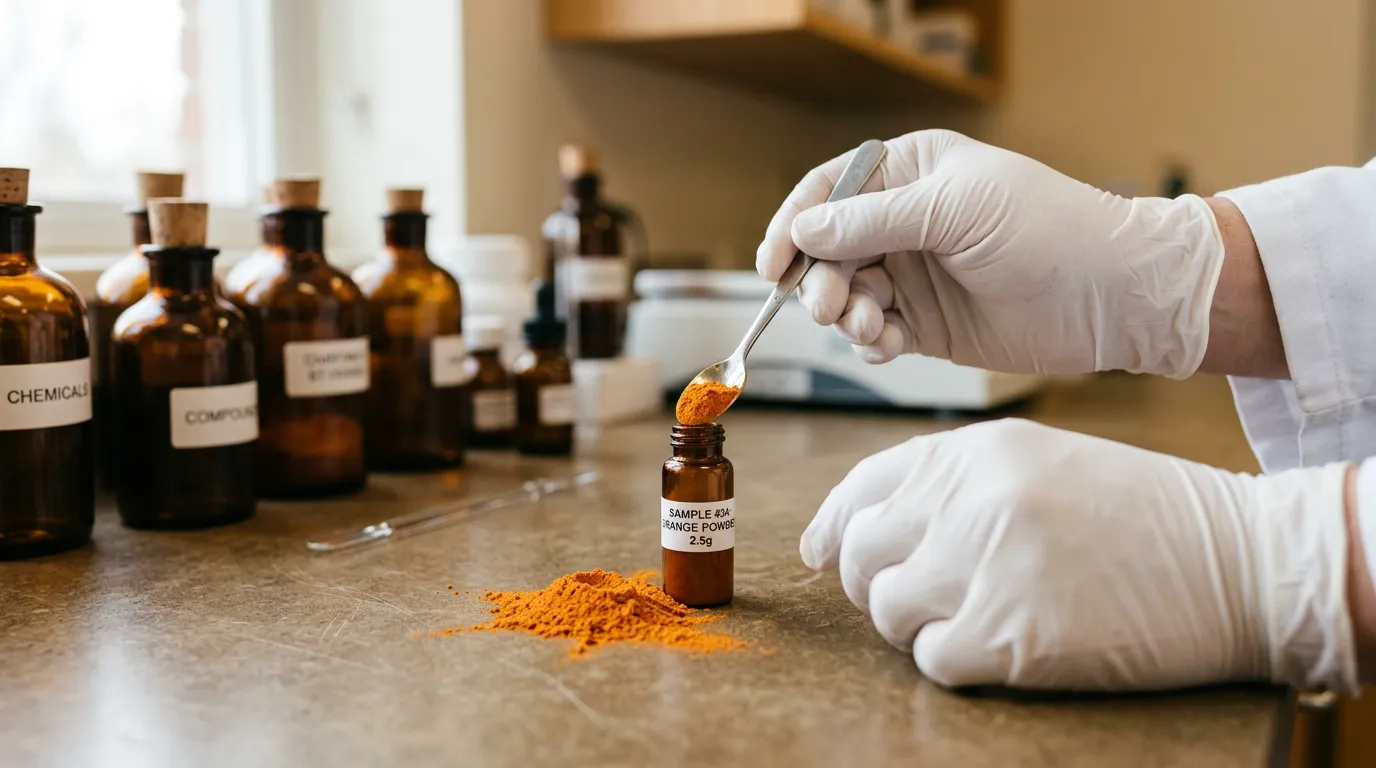
- A successful launch starts with a specific consumer need and clear positioning.
- The formula must use ingredients, forms and doses permitted in the EU and in each target country.
- The label needs mandatory statements and only authorized claims.
- Most EU countries require a notification before first sale; in France it is filed on the Compl'Alim platform.
- Irati Production supports formulation, manufacturing, packaging, storage and shipping from Saumur, France.
Step 1: define the product and its audience
Everything starts with a simple question: who is the product for and what need does it address? Energy, sleep, sports, beauty, digestion, kids, seniors, pets: each audience has its own expectations on format, taste and price. Look at what already exists, what consumers search for online and where the gaps are. A product that is better formulated, more convenient or more transparent than competitors stands a better chance than yet another look-alike.
This step applies to established brands too: adding a SKU to an existing line, turning a bestseller into a new format or launching a version for a new channel are launches in their own right.
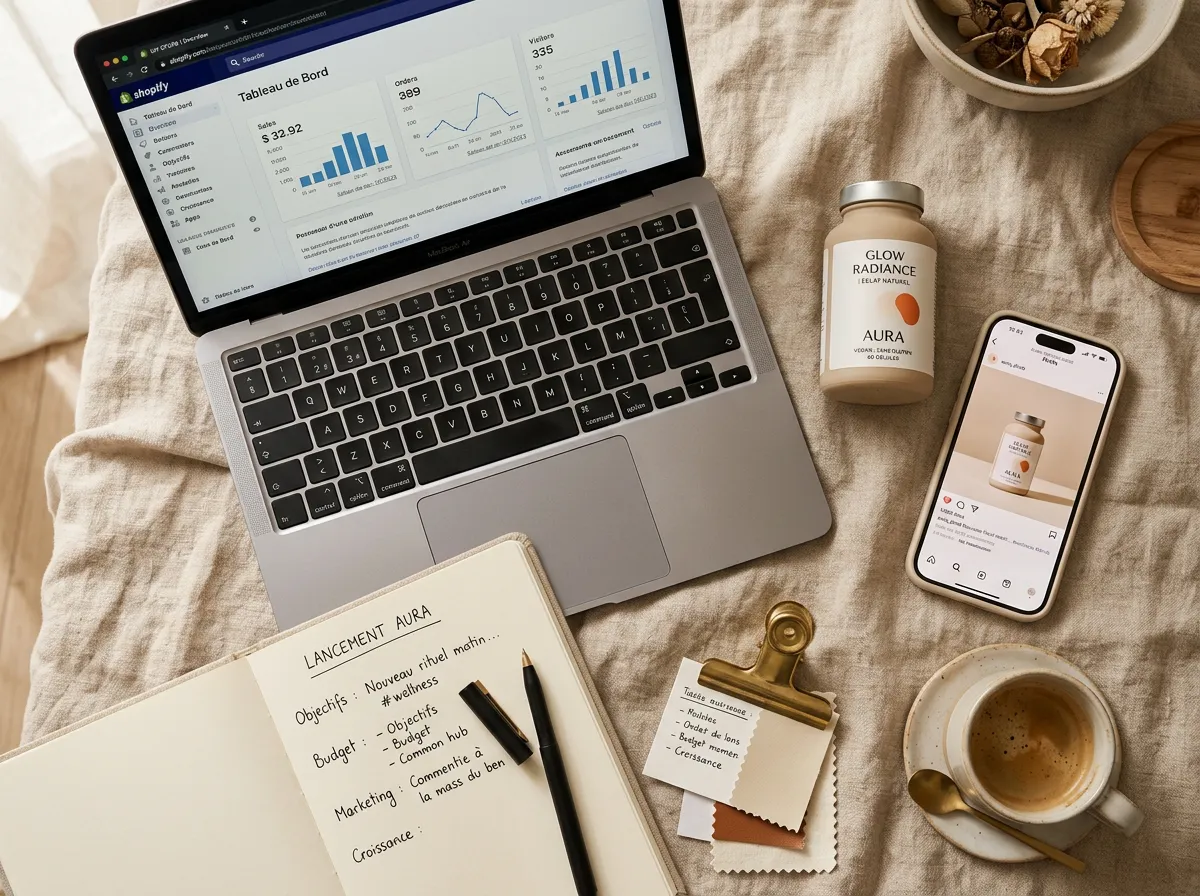
Step 2: choose a stock formula or a custom formula
There are two routes. White label (or private label) means putting your brand on a standard formula the manufacturer has already developed and validated: it is the fastest route, with lower quantities. A custom formula is developed for you: actives, doses, taste, texture. It sets you apart more but requires development work. Our custom formulation team helps you decide.
Step 3: check the formula against EU rules
In the EU, food supplements are governed by Directive 2002/46/EC, with national rules on top in each member state. In practice, you need to confirm:
- that each vitamin and mineral is used in a permitted form and within allowed levels;
- that botanicals are permitted in the target countries and meet their restrictions;
- that no ingredient is an unauthorized novel food;
- that other substances (amino acids, extracts, probiotics) are accepted and correctly dosed.
Our regulatory support team reviews these points for every project before manufacturing starts. If you also plan to sell in the US, the label and claims follow FDA rules, which differ from EU rules.
Step 4: choose the dosage form and packaging
The dosage form depends on the dose you need, the taste of the actives and your audience's habits:
Capsules
Versatile, taste-neutral · Number of capsules at high doses
Tablets
Concentrated, convenient · Tablet size and coating
Powders (tub, doypack, stick packs)
High doses, sports, drinks · Taste and solubility
Gummies
Enjoyable, good compliance · Active per gummy

Functional drinks
Powder to mix · Solubility and taste of the powder
Packaging matters as much as the formula: jars, bottles, doypacks, stick packs or boxes affect cost, brand image and logistics.
Step 5: write a compliant label
Under EU rules, a food supplement label must include, among other items:
- the name "food supplement";
- the categories of nutrients or substances that characterize the product;
- the recommended daily portion and a warning not to exceed it;
- a statement that food supplements should not be used as a substitute for a varied diet;
- a statement to keep the product out of reach of young children;
- the amount of nutrients per daily portion, and the percentage of reference values for vitamins and minerals.
Health claims must appear on the EU register of authorized claims (Regulation (EC) No 1924/2006) and be worded carefully, for example "vitamin C contributes to the normal function of the immune system."
Step 6: notify the product before launch
Most EU member states require food supplements to be notified to the competent authority before they are first placed on the market. In France, notification is filed on the Compl'Alim platform, run by the DGAL (the French food directorate), which replaced the former Teleicare system. The platform routes each product to the right procedure based on its composition. For recent changes, see our article on food supplement regulation.
Step 7: run a first batch
Once the formula, label and packaging are approved, the manufacturer buys raw materials, produces, tests and releases the batch. To reduce the risk of a first launch, small batches are available at Irati Production on our standard formulas; for a custom formula, the minimum depends on development.
Step 8: store, sell and ship
Your product is ready; now it has to reach customers. You can receive the goods yourself, use a 3PL, or leave them with your manufacturer. From our Allonnes site, we provide storage and logistics, order picking and, on request, direct shipping to your end customers, plus returns handling.
What drives budget and timeline
It is one of the most common questions before launching a supplement line. There is no single answer, because several factors are at play:
- Formula type: a standard white label formula skips development; a custom formula needs trials.
- Ingredient cost: some raw materials, extracts or premium forms weigh heavily on unit cost.
- Format and packaging: a jar of capsules, stick packs or gummies do not involve the same costs.
- First batch size: it sets both your upfront investment and your unit price.
- Added services: label design, regulatory work, storage, fulfillment.
The practical way to control both is to start with a clear brief, a realistic first batch and a manufacturer that can scale with you on the same formula and site.
Common launch mistakes
- Printing benefits on the pack that match no authorized claim.
- Picking an attractive format that cannot carry the required dose.
- Ordering too much inventory for a first market test.
- Forgetting the pre-market notification.
- Neglecting the taste of a powder or gummy, which drives repeat purchase.
Whether this is your first product or the tenth SKU in your line, Irati Production supports brands, labs and distributors at every step, from its manufacturing site in Saumur, France, which is ISO 22000 and HACCP certified and FDA-registered.
From formula to ready-to-sell product
We handle your launch end to end, or just the steps you need.
- Standard white label formulas or custom development
- Regulatory review of formula and label
- Gummies, capsules, tablets, powders, drinks
- Small batches available on our standard formulas
- Storage and direct shipping to your customers from Allonnes
Our answers on launching a supplement product
What are the steps to launch a supplement product?
Define the product and audience, choose a standard or custom formula, check compliance, choose the format and packaging, write the label, notify the product, then manufacture, store and distribute.
Do I need to register a supplement before selling it in Europe?
Most EU countries require a notification to the competent authority before first sale. In France, it is filed on the Compl'Alim platform run by the DGAL.
What must appear on an EU food supplement label?
Among other items: the name "food supplement," the characterizing nutrients, the recommended daily portion, a warning not to exceed it, a varied-diet statement and a statement to keep out of reach of young children.
Can I launch a supplement in small quantities?
Yes, especially with white label. Irati Production accepts small batches on its standard formulas; for a custom formula, the minimum depends on development.
Which claims can a supplement make in the EU?
Only health claims authorized on the EU register, worded carefully, such as "contributes to a reduction of tiredness and fatigue." No claim may state that a supplement prevents or cures a disease.
The information in this article is general and does not replace a regulatory review of your project.