Sports Supplements and Anti-Doping: Understanding EN 17444
A tested athlete can fail a test because of a contaminated supplement. For brands, the European standard EN 17444 has become the benchmark for reducing that risk. Here is what it requires, what it cannot guarantee, and how to build it into your project, with Irati Production.

- EN 17444 sets good development and manufacturing practices to prevent prohibited substances in sports foods and supplements.
- Published in 2021, it replaced the French standard NF V94-001 and now applies across Europe.
- It rests on three pillars: ingredient selection, full traceability and finished-product testing.
- No label can promise zero risk: anti-doping agencies certify no supplement.
- Irati Production provides the traceability and quality documents your brand's anti-doping program needs.
Why supplements carry a doping risk
A supplement can contain a prohibited substance that does not appear on the label. The most common cause is cross-contamination: an ingredient, or a production line shared with a product containing a stimulant or a hormone. Tiny traces are enough to trigger a positive test. Under the World Anti-Doping Code, athletes are responsible for what they consume, even without any intent to cheat.
That is why federations, clubs and elite athletes increasingly ask for products backed by a documented anti-doping program. For a sports nutrition brand, it has become a condition for reaching this audience.
What is EN 17444?
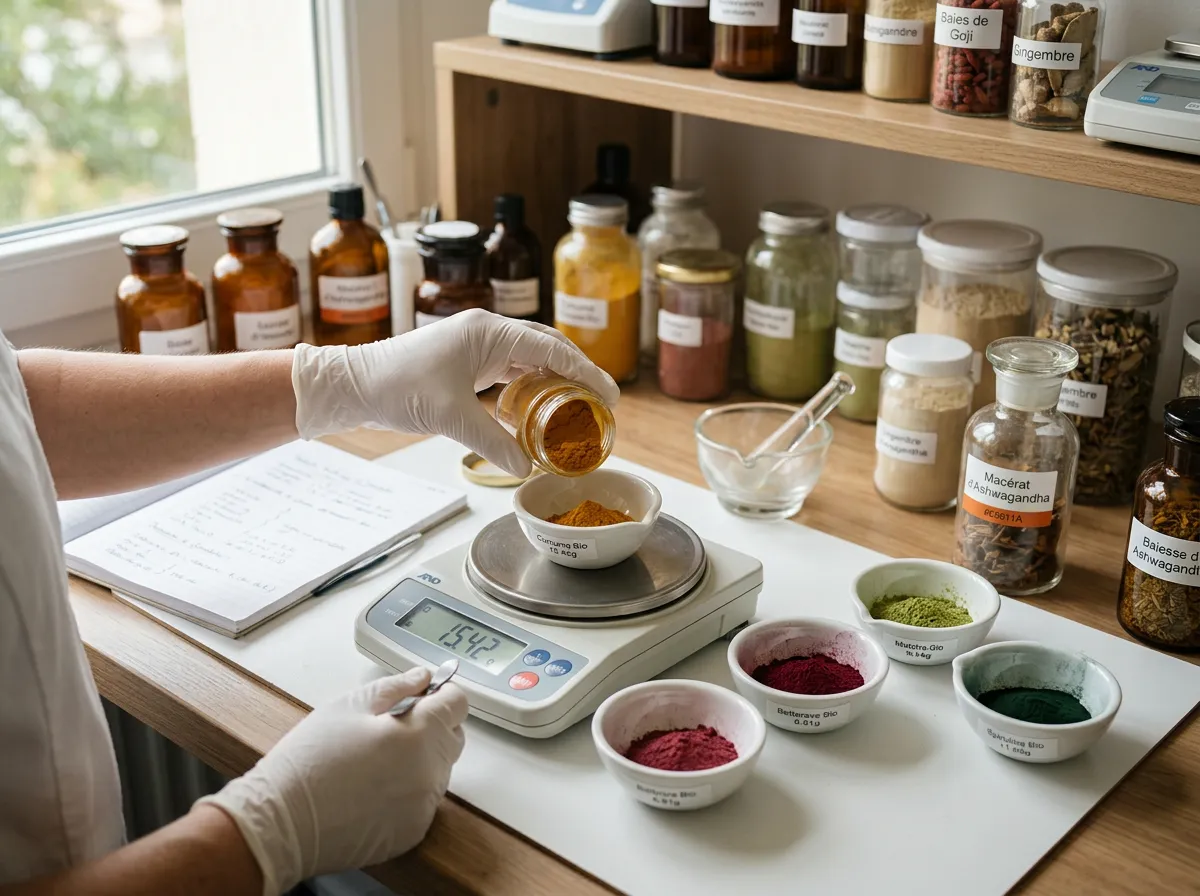
Published in 2021, the European standard EN 17444 is titled 'Doping prevention in sport - Good development and manufacturing practices aimed at preventing the presence of prohibited substances in food intended for sportspeople and food supplements'. In France it is published as NF EN 17444 and replaced the French standard NF V94-001, which paved the way in 2012.
It is a voluntary standard built on three pillars:
- Ingredient and supplier selection: risk assessment of each raw material, supplier qualification, documentation requirements.
- Manufacturing control and traceability: staff competence, equipment, prevention of cross-contamination, non-conformity management.
- Finished-product testing: screening for substances on the World Anti-Doping Agency (WADA) prohibited list, batch by batch, by a specialized laboratory.
A compliant product may carry a statement that it was developed and manufactured in accordance with EN 17444 as of the batch production date.
What the standard guarantees, and what it does not
The standard greatly reduces risk, but no system can eliminate it. The French anti-doping agency (AFLD) states it plainly: anti-doping organizations certify no supplement and cannot guarantee the absence of a prohibited substance. Testing covers a given batch, at given detection limits.
For athletes, the good habits stay the same: check the composition, favor products from an anti-doping program, keep the packaging and record the batch number of every product taken.
EN 17444 vs third-party testing programs
Nature
European good-practice standard · Certification or testing program
Scope
Development, manufacturing and finished product · Mainly batch testing
Finished-product testing
Yes, batch by batch · Yes, depending on the program
On-pack mention
Statement of compliance with the standard · Program logo
Recognition
Reference in France and Europe · Varies by country and federation
The two approaches can be combined, depending on your sales countries and what your target athletes expect. Brands selling in the United States often add a recognized third-party testing program.
Who asks for anti-doping tested products?
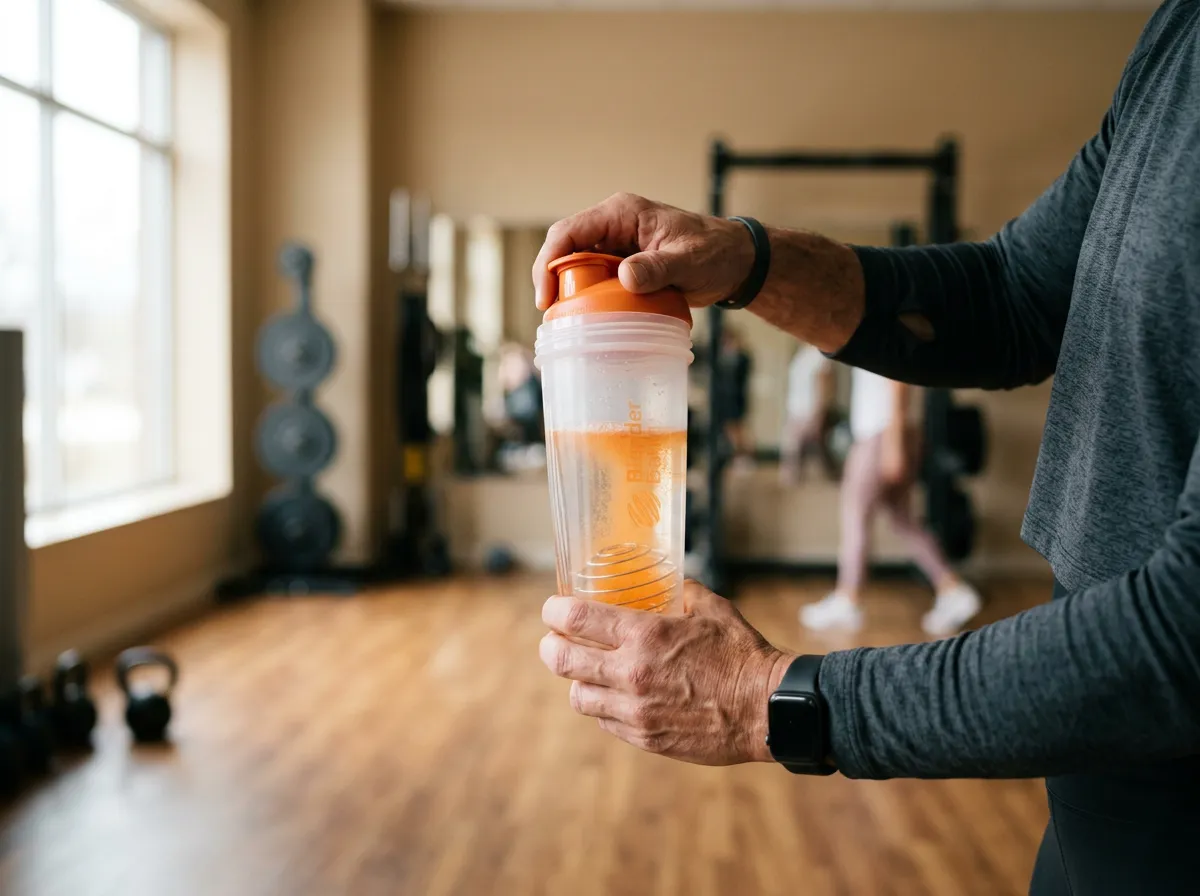
Demand comes first from elite and licensed competitive athletes subject to testing. It extends to clubs, federations, academies and strength coaches who do not want to put their athletes at risk. Brands targeting this audience should build the program in from the product's design stage rather than after launch.
Ingredients that need the most vigilance
- Stimulating botanical extracts: some plants naturally contain substances close to banned stimulants.
- Pre-workout formulas: many actives combined, often with caffeine and botanicals.
- Protein and amino acids: large volumes and many suppliers, hence the importance of qualification.
- Trendy, poorly documented ingredients, whose traceability is harder to establish.
By contrast, actives such as creatine monohydrate, electrolytes or vitamins are simple to secure when they come from qualified suppliers. See our article on Creapure vs regular creatine.
How a brand builds its anti-doping program
- Define the target: recreational athletes or tested athletes, in Europe or abroad.
- Design a simple formula: fewer ingredients mean fewer risks and clearer test results.
- Choose documented raw materials: certificates of analysis, origin, supplier commitments.
- Have every finished batch tested by a laboratory specialized in prohibited-substance screening.
- Communicate precisely: exact compliance statement, batch number, no zero-risk promise.
Communicating your program the right way
How you talk about anti-doping matters as much as the testing itself. Avoid absolute terms such as 'doping-free guaranteed' or '100% safe for athletes'. Prefer precise statements: the standard followed, the fact that each batch is tested, and where athletes can check the batch number. Train your sales team and partners to use the same wording. Clear, accurate communication protects both the athletes and your brand's reputation.
Selling to tested athletes in the US
US athletes and leagues often rely on third-party certification programs that test products for banned substances. A product made under EN 17444 practices, with full traceability and batch testing, is a strong starting point for these programs too. Brands exporting from Europe should decide early which program their target athletes recognize, so that batch sizes, sampling and labeling are planned accordingly from the first production run.
What drives the cost of an anti-doping program
Cost depends mainly on the number of batches to test and the laboratory chosen. That is why brands often reserve the program for their flagship products aimed at tested athletes rather than their whole line. A short formula, well-documented raw materials and suitable batch sizes keep the budget under control. The program is also a strong sales argument with clubs, federations and elite athletes, who ask for it more and more.
The manufacturer's role
Your manufacturer is the first link in the chain. At our plant in Saumur, France, certified ISO 22000 and HACCP, every raw material is checked on receipt and traced through to the finished batch. We provide your brand with certificates of analysis, traceability records and samples from each batch, so your anti-doping testing runs under the best conditions. See our quality certifications.
Sports supplements traced end to end
Irati Production manufactures your sports supplements in France and provides everything your anti-doping program needs.
- Incoming raw material testing
- Full traceability from raw material lot to finished batch
- Samples and quality documents for your batch testing
- ISO 22000 and HACCP certified, FDA-registered site
- Creatine, electrolytes, protein and amino acids as powders, stick packs, capsules and gummies
Our answers on anti-doping and EN 17444
What is EN 17444?
It is a 2021 European standard setting good development and manufacturing practices to prevent prohibited substances in sports foods and supplements. It includes batch-by-batch testing of the finished product.
Does an EN 17444 product guarantee a negative test?
No. The standard greatly reduces the risk but cannot eliminate it. Anti-doping agencies such as the AFLD certify no food supplement.
What is the difference between EN 17444 and NF V94-001?
NF V94-001 was the French standard from 2012. EN 17444, a European standard published in 2021, replaced it and extended the approach across Europe.
How can athletes reduce the risk when taking supplements?
They should check the composition, favor products from an anti-doping program and keep the packaging and batch number of every product they take.
Which supplements carry the highest contamination risk?
Complex pre-workout formulas, stimulating botanical extracts and poorly documented ingredients. Simple formulas made from traceable ingredients are the easiest to secure.
The information in this article is general and does not constitute legal advice. Compliance with EN 17444 is assessed product by product and batch by batch.