Greens Powder: The Superfood Trend, From Formula to Finished Product
Greens powders, or "super greens", are one of the most visible wellness trends: a green drink in the morning to complement the diet. Spirulina, chlorella, wheatgrass, spinach, kale: here is what goes into a greens powder, what it takes to manufacture one and how to talk about it without overpromising.
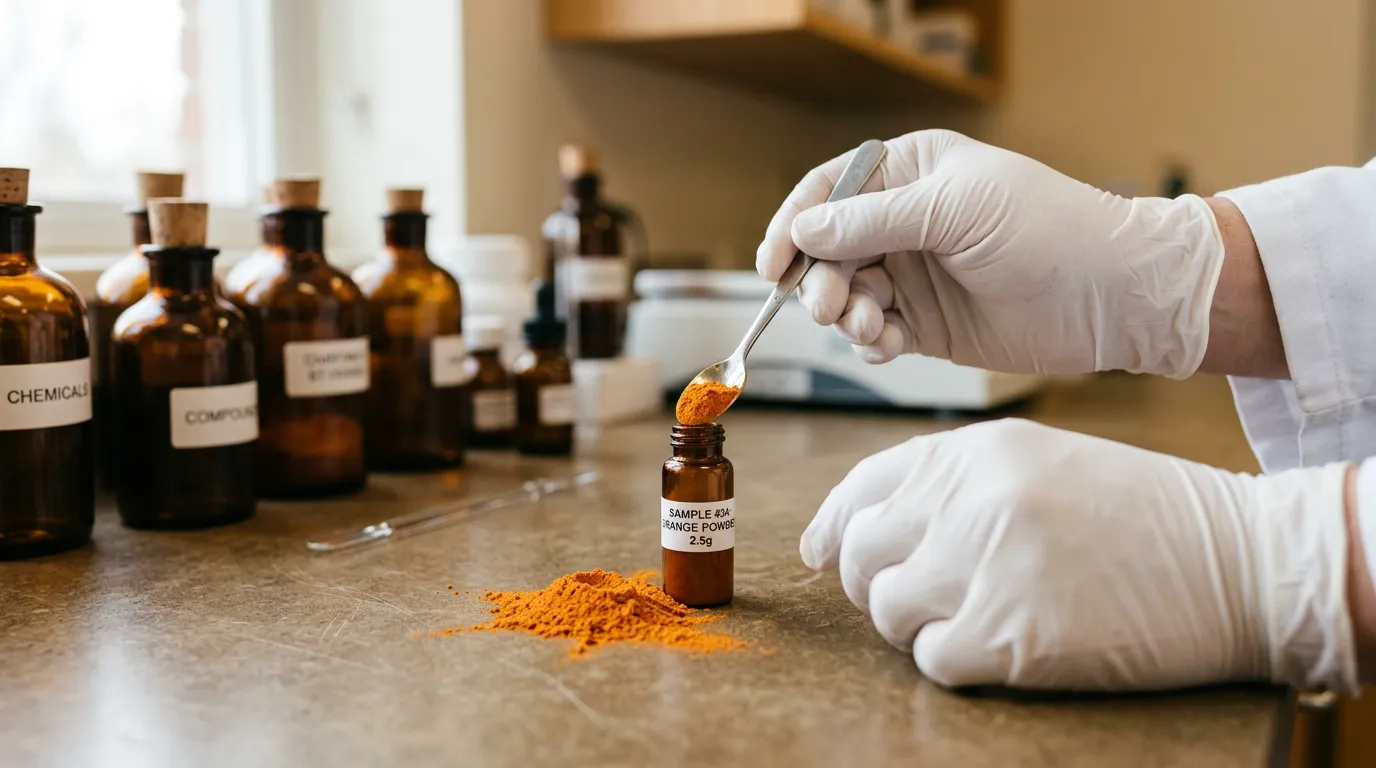
- A greens powder combines algae, cereal grasses, leafy greens and often fruit, fiber or probiotics.
- Taste is the first challenge: algae and grassy notes must be balanced with flavors and fruit.
- Contaminant control (heavy metals, microbiology) is essential for algae and botanical powders.
- There is no authorized EU claim for spirulina or chlorella: claims rely on added vitamins and minerals.
- Irati Production manufactures greens powders in Saumur, France, in tubs, pouches or stick packs.
What is a greens powder?
Greens powders are blends of dried, ground green plants to mix into water, juice or a smoothie. The concept is simple: deliver in one glass a variety of plants many consumers do not eat enough of. Born in North America, the trend has taken hold in Europe, fueled by social media and morning wellness routines.
A greens powder does not replace a varied and balanced diet. That message should be clear, both for compliance and to earn consumer trust.
What goes into a greens powder
- Algae: spirulina and chlorella, rich in protein and pigments, with a strong taste.
- Cereal grasses: wheatgrass and barley grass, young dried shoots with a milder grassy taste.
- Leafy greens and vegetables: spinach, kale, broccoli, parsley, moringa depending on the recipe.
- Fruit: apple, pineapple, lemon, berries, for taste and color.
- Supporting ingredients: fiber, vitamins and minerals, enzymes, probiotics or botanicals, depending on positioning.
Recipes range from about ten to more than forty ingredients. Ingredient count is a common marketing argument, but an overly long blend dilutes each component. A shorter recipe with meaningful amounts is usually the better choice.
Taste: the first driver of reorders
The most common complaint in consumer reviews of super greens is taste: seaweed, cut grass or earthy notes. Formulation has several levers: the share of algae, aromatic fruits, natural flavors (citrus, mint, pineapple, berry), a light acidulant and, if needed, a sweetener. Mixability matters too: a powder that floats or clumps quickly discourages users.
Quality: contaminants and microbiology
Botanical powders and algae need particular vigilance. Key points to control:
- Heavy metals (lead, cadmium, mercury, arsenic): algae can concentrate them. EU maximum levels for contaminants apply and must be verified by testing.
- Microbiology: dried plants can carry a microbial load that must be checked at receipt and on the finished product.
- Pesticides: controlled, sometimes organic, sourcing and testing limit the risk.
- Iodine: some seaweeds are very high in iodine; the content must be known and controlled.
This is where supplier selection and the testing plan separate a credible brand from a risky product.
How a greens powder is manufactured
Manufacturing follows the standard powder process, with special attention to uniformity: ingredients have very different densities and particle sizes, and ultra-fine spirulina does not blend like apple powder. The blend is validated by homogeneity checks so every serving contains the same thing. Then come packing, labeling and release testing before the product goes to market.
Claims: stay measured
No health claim is currently authorized in the EU for spirulina, chlorella or wheatgrass as such. Terms like "detox", "alkalizing" or "immune booster" should be avoided. If the formula provides significant amounts of vitamins or minerals, you can use their authorized claims, such as "vitamin C contributes to the normal function of the immune system" or "iron contributes to the reduction of tiredness and fatigue". Nutrition claims like "source of fiber" are possible when the conditions are met. For the US market, FDA rules apply and need a separate review.
Building your positioning
- Essential greens: a short, readable recipe built on spirulina, chlorella and cereal grasses.
- Fortified greens: with vitamins and minerals, to support authorized claims.
- Greens and digestion: with fiber and cultures, within the limits of permitted claims.
- Organic greens: a strong argument in this category, requiring a certified supply chain.
Who buys greens powders?
Typical buyers are health-conscious adults who know they do not eat enough vegetables, busy professionals looking for a simple morning habit, and active consumers who already use protein or electrolytes. Many discover greens through influencers and expect a visible ingredient list, a pleasant taste and fair pricing per serving. Subscription is the natural model for a product used every day.
Common formulation pitfalls
Overloading the recipe with dozens of ingredients at trace levels, ignoring how the blend tastes after a few weeks, underestimating color changes over shelf life, or forgetting the impact of algae on the iodine and vitamin K content. Each of these can be avoided with stability testing and a well-defined specification.

Greens vs other superfood powders
Greens powder
Algae, grasses, leafy greens · Morning routine, balance · Taste and contaminants
Plant protein
Pea, rice, fava · Sports, satiety · Texture and taste
Functional latte
Matcha, turmeric, cacao · Enjoyable ritual · Caffeine, botanicals
Mushroom powder
Mushroom extracts · Trend, curiosity · Novel Food status
Getting these basics right is what turns a trend product into a lasting reference in your range. A short preparation video or a recipe card in the box can make the difference between a one-time purchase and a monthly habit.
Directions for use build loyalty
Greens powders are usually mixed with cold water, fruit juice or a smoothie. Giving clear preparation ideas, a daily serving and a suggested time of day on the label or online helps consumers build a habit, and therefore reorder. It is also a chance to remind them simply that it complements a varied diet.
Tubs, pouches and stick packs
Greens sell mostly in tubs or stand-up pouches with a scoop for daily use. Stick packs are perfect for travel and sampler boxes, and they protect the powder better once the product is opened. Some brands also offer greens in capsules for consumers who dislike the taste.
Making your greens in France
Irati Production formulates and manufactures greens and superfood powders at its ISO 22000 certified site in Saumur, France. We support you on ingredient selection, taste, testing plan and labeling. See our powder manufacturer and custom formulation pages.
Your greens powder, made in France
We develop and manufacture your green superfood blend, from recipe to retail-ready product.
- Controlled ingredient and supplier selection
- Taste and mixability development
- Testing plan: contaminants and microbiology
- Tubs, pouches, stick packs or capsules
- Labeling and claims reviewed by our regulatory team
Our answers on greens powder
What is in a greens powder?
A greens powder typically combines algae such as spirulina and chlorella, cereal grasses such as wheatgrass, leafy greens and often fruit, fiber or vitamins.
Do greens powders replace vegetables?
No. A greens powder complements the diet but does not replace a varied and balanced diet rich in fruit and vegetables.
Why do greens powders taste so strong?
Algae and cereal grasses have a pronounced green taste. A good formula balances it with fruit, natural flavors and a light acidulant.
Can a greens powder be marketed as detox in the EU?
No. No "detox" claim is authorized in the EU; only authorized claims, for example on vitamins or minerals present in sufficient amounts, can be used.
How do you ensure the quality of a greens powder?
Through rigorous supplier selection and testing for heavy metals, microbiology and pesticides, both on incoming raw materials and on the finished product.
The information in this article is general. Each formula undergoes a technical and regulatory feasibility study.